
REAKING REPORT:** The music and technology industries are buzzing today after an impassioned public message attributed to global music icon **Alicia Keys** began circulating widely across social media. In the message, Keys expresses disappointment and frustration with Amazon, stating that she intends to remove her music from the platform due to what she describes as **a “betrayal of values and humanity.”

While official confirmation and formal statements from her management or label have not yet been released, the message has already ignited widespread conversation, reflection, and debate across the entertainment ecosystem.
The statement — which has now appeared in reposts, commentary videos, and editorials online — highlights a tension many artists have spoken about quietly for years: the complex relationship between major streaming platforms and the creators whose work fuels them. Alicia Keys, known not only for her award-winning music career but also for her humanitarian activism and advocacy for artistic empowerment, is widely respected as an artist who speaks from conviction rather than convenience.
In the circulated message, Keys emphasizes that music is not merely content to be stacked, sold, and distributed. To her, music is **“a living expression of humanity — of emotion, history, struggle, and hope.”** She suggests that corporate structures, particularly those controlling digital streaming landscapes, have drifted far from honoring that truth. The tone of her message is not angry, but deeply disappointed — a sentiment that resonates with many artists and fans alike.
Industry reactions have ranged from supportive to surprised, with some insiders suggesting that if such a withdrawal were to happen officially, it could spark a cascade of reevaluations. Streaming services hold enormous power in the global music market, but that power depends on artist participation. An artist of Alicia Keys’ stature challenging that structure would force a conversation that has been simmering for years.
Over the last decade, musicians from varying genres have raised concerns that major streaming platforms often **prioritize profit structures** that do not reflect the effort, personal sacrifice, and emotional investment that go into creating music. Streaming royalties, licensing agreements, use of music in algorithm-driven recommendations, and corporate consolidation have all been topics of increasing scrutiny.
For Alicia Keys, whose career has been built on messages of unity, empowerment, and human dignity, the statement suggests a breaking point — not just with a corporation, but with a cultural mindset. She has long spoken about the need for empathy and honesty in the ways people treat one another, whether in personal relationships or global business practices. Her music has always echoed themes of authenticity, emotional courage, and spiritual grounding.
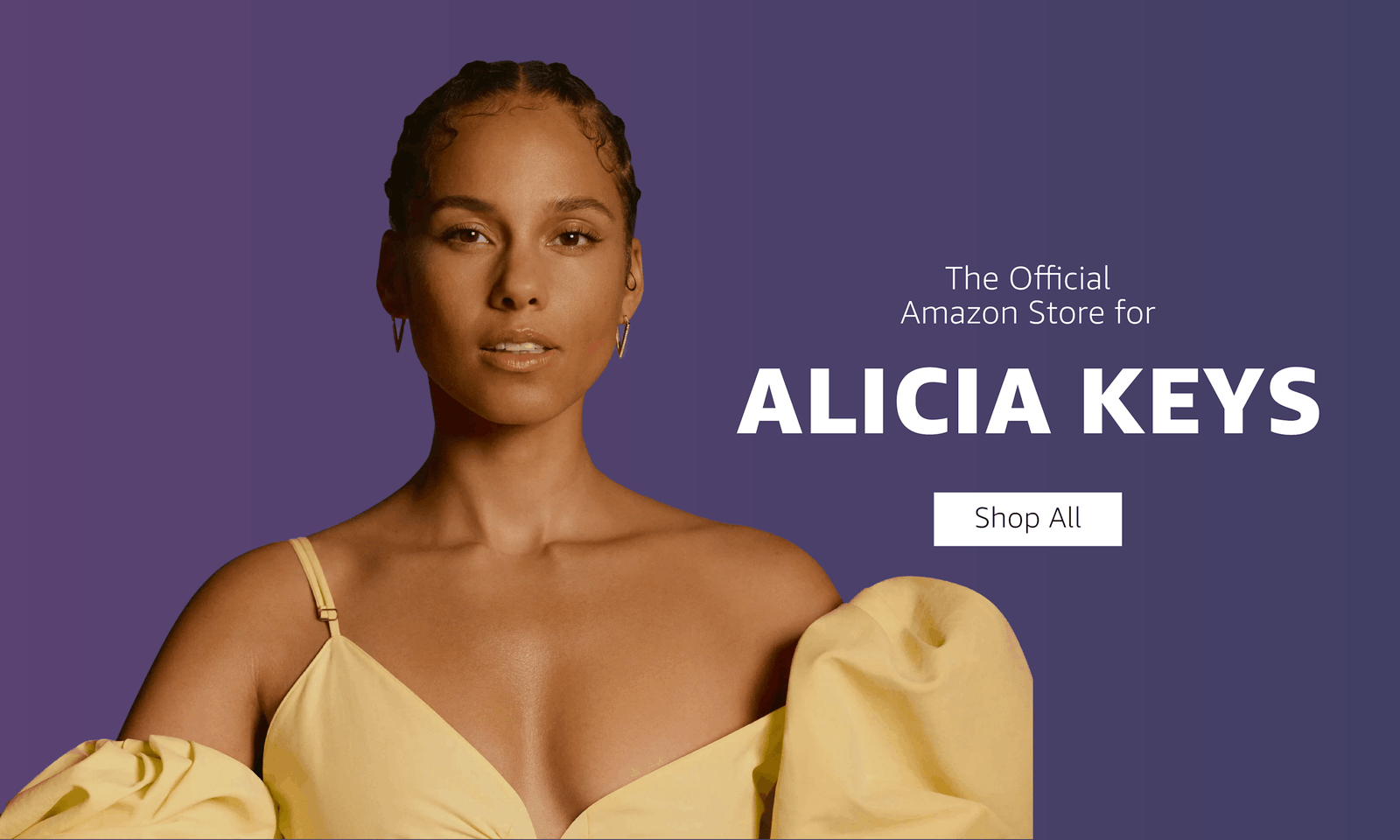
The message circulating today reinforces that identity: **integrity matters more than convenience**.
Fans across the world reacted with both admiration and concern. Many praised Keys for her courage to speak boldly, noting that it is not easy to confront such a powerful company. Others expressed hope that the situation might lead to a constructive dialogue rather than a permanent separation. Some fans even shared personal stories of how Alicia’s songs helped them through emotional or challenging seasons in their lives, saying that her decision — if confirmed — reflects the same values her music embodies.
Meanwhile, industry analysts have begun speculating about the potential ripple effects. If more artists feel empowered to question corporate partnerships, the future landscape of music distribution could shift. Some believe that a renewed focus on **artist-owned platforms**, ethical licensing, and fair compensation could be on the horizon.
Regardless of how the situation unfolds, one thing is already clear: Alicia Keys’ message struck a nerve because it touches on something much deeper than business. It speaks to **the soul of music** itself.
Artists create music to connect. Audiences listen to feel seen, heard, understood. Platforms are meant to support that exchange — not diminish it.
As conversations continue and anticipation builds around an official statement, the world watches to see not just what decision will be made, but what **future of music culture** it may help shape.
Leave a Reply